
Navigating the DJI Drone Ban: Key Insights
The recent developments surrounding the DJI drone ban have sparked widespread interest and concern among drone enthusiasts and professionals in the United States.
As the situation unfolds, it’s essential to stay informed about the implications of this ban and what it means for the future of drone technology in the U.S.
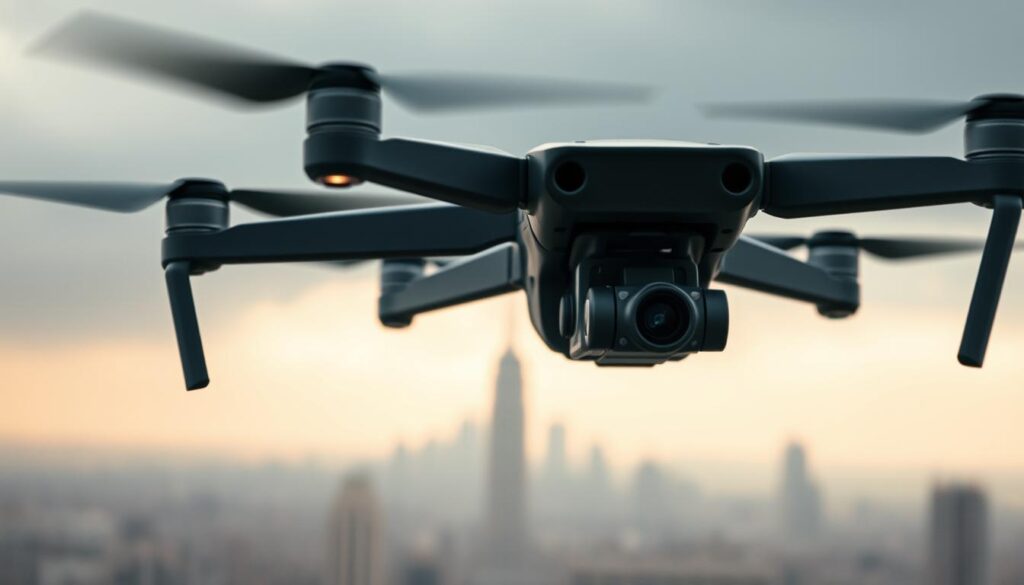
The controversy surrounding the classification of certain drone manufacturers as Chinese military companies has led to significant legal and market implications.
Key Takeaways
- Understanding the implications of the drone ban on the U.S. market.
- Exploring the legal challenges faced by manufacturers like DJI.
- The potential impact on drone technology advancements.
- What the future holds for drone enthusiasts and professionals.
- Staying informed about the latest developments in drone regulations.
The Recent DJI Lawsuit Outcome
The DJI lawsuit outcome has sent shockwaves through the drone industry. A recent court decision has far reaching implications for DJI, its users, and the broader drone community.
Details of the Court Decision
The court’s ruling was based on several key factors, including national security concerns and alleged ties between DJI and the Chinese government.
Key Legal Arguments Presented
The legal arguments presented in court centered around DJI’s alleged connections to the Chinese military and potential data security risks associated with DJI drones.
Judge’s Reasoning and Verdict
The judge’s decision was influenced by evidence suggesting that DJI’s equipment could be used for espionage, thereby posing a risk to U.S. national security.
DJI’s Official Response to the Ruling
DJI has responded to the court ruling with a mix of public statements and strategic actions aimed at mitigating the impact of the decision.
Public Statements and Press Releases
DJI issued a press release stating that the company strongly disagrees with the court’s decision and is exploring its legal options.
Initial Steps Taken by DJI Post-Ruling
Initial steps taken by DJI include reviewing their business operations in the U.S. and consulting with legal experts to challenge the ruling.
| Aspect | Details | Impact |
| Court Decision | Based on national security concerns | Restricts DJI operations in the U.S. |
| DJI’s Response | Disagrees with the decision, exploring legal options | Potential for legal battle |
Understanding the DJI Drone Ban in Context
The recent DJI drone ban is more than just a legal ruling; it represents a significant shift in tech regulations. To understand the full implications of this ban, it’s crucial to examine the events that led to it and the legal framework that supports it.
Timeline of Events Leading to the Ban
The journey to the DJI drone ban began with growing government concerns about the security risks associated with DJI drones.
Initial Government Concerns
In recent years, U.S. government agencies have raised concerns about the potential for DJI drones to be used for espionage or other malicious activities due to their connections with Chinese companies.
Escalation to Legal Action
These concerns eventually led to legal action, culminating in the recent court ruling that effectively bans DJI drones in the U.S.
Legal Framework and Regulatory Basis
The legal framework supporting the DJI drone ban is rooted in U.S. laws and regulations aimed at protecting national security.
Relevant U.S. Laws and Regulations
Laws such as the National Defense Authorization Act have provisions that restrict the use of drones made by companies deemed to be security risks.
Precedents in Similar Technology Bans
This ban is not without precedent; similar actions have been taken against other Chinese tech companies, such as Huawei, on national security grounds.
The DJI drone ban is part of a broader trend of increasing scrutiny of Chinese technology companies in the U.S. Understanding this context is essential for drone users and operators.
Why DJI Was Classified as a Chinese Military Company
Understanding why DJI was classified as a Chinese military company requires a deep dive into government security concerns and corporate ties. The U.S. government has been increasingly vigilant about the potential security risks posed by Chinese drone manufacturers, particularly DJI.
Government Security Concerns
The primary reason behind DJI’s classification is rooted in government security concerns. These concerns are multifaceted, involving both data collection and privacy issues, as well as the potential for surveillance applications.
Data Collection and Privacy Issues
DJI drones are capable of collecting vast amounts of data, including sensitive information about individuals and infrastructure. Data privacy is a significant concern, as this information could potentially be accessed by the Chinese government.
“The use of DJI drones poses a significant risk to the privacy and security of U.S. citizens,” according to a government official.
Potential for Surveillance Applications
Another concern is the potential for DJI drones to be used for surveillance purposes. The Chinese government could potentially use these drones to gather intelligence on U.S. military installations and other sensitive areas.
Evidence Presented in the Case
The evidence presented in the case against DJI includes technical vulnerabilities identified in their products, as well as the company’s corporate structure and ties to the Chinese government.
Technical Vulnerabilities Identified
Several technical vulnerabilities have been identified in DJI drones, making them susceptible to hacking and data breaches. These vulnerabilities pose a significant risk to users and underscore the security concerns associated with DJI products.
| Vulnerability | Description | Risk Level |
| Data Transmission | Unencrypted data transmission | High |
| Firmware Updates | Insecure firmware updates | Medium |
DJI’s Corporate Structure and Chinese Government Ties
DJI’s corporate structure and ties to the Chinese government have also been scrutinized. The company has received significant support from the Chinese government, raising concerns about its independence and potential allegiance.
In conclusion, the classification of DJI as a Chinese military company is based on a combination of government security concerns, technical vulnerabilities, and corporate ties to the Chinese government. Understanding these factors is crucial to grasping the implications of the ban on DJI drones in the U.S.
Impact on U.S. Drone Owners and Operators
The recent DJI drone ban has sent shockwaves through the U.S. drone community, leaving many owners and operators uncertain about their future. As the ban takes effect, its implications are far-reaching, affecting both recreational drone enthusiasts and commercial operators.
Immediate Consequences for Current DJI Drone Owners
For current DJI drone owners, the ban raises several immediate concerns. Two key areas of focus are the legal status of existing devices and the implications of software and firmware updates.
Legal Status of Existing Devices
The legal status of DJI drones already owned by U.S. citizens is a pressing concern. Existing devices are not automatically confiscated, but their use may be subject to certain restrictions. It’s essential for owners to understand these regulations to avoid any potential legal issues.
Software and Firmware Update Concerns
Another concern is the impact of the ban on software and firmware updates for existing DJI drones. DJI may no longer provide updates for its drones in the U.S. market, potentially leaving devices vulnerable to security risks or non-compliant with evolving regulations.
Commercial Operator Considerations
Commercial drone operators face a different set of challenges. The ban affects not only their equipment but also their business operations and compliance with regulatory requirements.
Compliance Requirements for Businesses
Commercial operators must now navigate a complex landscape of compliance requirements. Businesses may need to seek alternative drone manufacturers that comply with U.S. regulations. This transition requires careful planning to minimize disruptions to their operations.
Insurance and Liability Implications
The ban also has implications for insurance and liability. As the regulatory environment changes, insurance policies may need to be updated to reflect the new risks and compliance requirements associated with drone operations.
| Aspect | Immediate Impact | Long-term Implication |
| Legal Status of Existing Devices | No immediate confiscation | Potential restrictions on use |
| Software and Firmware Updates | Possible halt in updates | Security risks and non-compliance |
| Compliance for Commercial Operators | Need for alternative drones | Shift to compliant manufacturers |
As the U.S. drone community adapts to the DJI drone ban, understanding these implications is crucial for navigating the changing regulatory landscape. Whether you’re a recreational drone enthusiast or a commercial operator, staying informed about the latest developments and regulatory changes will be key to your continued operation within the legal framework.
DJI’s Market Dominance and Why the Ban Matters
DJI’s dominance in the drone industry is a critical factor in understanding the implications of the recent ban. As a leading manufacturer of drones, DJI has established a strong presence globally, making the ban’s impact far-reaching.
DJI’s Position in the Global Drone Market
DJI has been at the forefront of the drone industry for years, with a reputation for producing high-quality and innovative products. Its market share is substantial, and its influence extends across various sectors.
Market Share Statistics
DJI controls a significant portion of the global drone market, with estimates suggesting that it holds over 70% of the market share. This dominance is a testament to the company’s successful business strategies and product offerings.
Key Product Lines Affected
The ban affects several of DJI’s key product lines, including its popular Mavic and Phantom series. These products are widely used for recreational and commercial purposes, making the ban’s impact felt across different user groups.
Industry Sectors Most Impacted
The DJI drone ban has significant implications for various industry sectors that rely heavily on DJI products.
Photography and Filmmaking
The photography and filmmaking industries are among those most affected, as DJI’s drones are widely used for capturing aerial footage and photos. The ban forces professionals in these fields to seek alternative solutions.
Surveying, Agriculture, and Public Safety
Sectors such as surveying, agriculture, and public safety also feel the impact, as DJI’s drones are used for tasks like land surveying, crop monitoring, and disaster response. The ban necessitates a shift towards alternative drone manufacturers or technologies.
“The ban on DJI drones will significantly alter the landscape of the drone industry, forcing companies to adapt and find new solutions.”
The ban on DJI drones underscores the company’s market dominance and highlights the need for alternative solutions across various industries.
Alternative Drone Options for U.S. Consumers
The DJI drone ban has led to a growing interest in alternative drone options among U.S. consumers, seeking reliable and efficient drones. As a result, manufacturers are now focusing on meeting the demands of the U.S. market with their unique offerings.
American-Made Drone Alternatives
American-made drones are gaining popularity due to their compliance with U.S. regulations and security standards. One notable manufacturer is Skydio, known for its advanced autonomous drone technology.
Skydio and Other U.S. Manufacturers
Skydio has made a name for itself with its high-performance drones designed for various applications, including cinematography and inspection. Other U.S. manufacturers are also emerging, offering competitive products that cater to different needs.
Comparative Features and Capabilities
When comparing American-made drones to DJI, several factors come into play, including flight time, camera quality, and autonomous features. For instance, Skydio drones are renowned for their advanced obstacle avoidance and autonomous flight capabilities, making them suitable for complex operations.
- Flight Time: American-made drones offer competitive flight times, with some models matching or exceeding DJI’s offerings.
- Camera Quality: High-resolution cameras are a standard feature, with some drones offering 4K video recording capabilities.
- Autonomous Features: Advanced autonomous capabilities, such as obstacle avoidance and tracking, are prominent in American-made drones.
Other International Drone Manufacturers
Apart from American-made drones, other international manufacturers are also gaining traction in the U.S. market. European companies like Parrot and Autel are notable examples.
European Options (Parrot, Autel)
Parrot and Autel offer a range of drones that are popular among hobbyists and professionals alike. Their products are known for their innovative features and compliance with international regulations.
Price and Performance Comparisons
When comparing prices and performance, European drones often present a competitive alternative to DJI and American-made drones. Factors such as build quality, software features, and customer support are also considered.
| Manufacturer | Model | Price | Key Features |
| Skydio | Skydio 2 | $999 | Advanced autonomous flight, 4K video |
| Parrot | Parrot Anafi | $699 | 4K HDR video, compact design |
| Autel | Autel EVO II | $1,499 | 8K video, advanced obstacle avoidance |
Practical Steps for Drone Users Following the Ban
Drone users are now facing a new reality after the DJI drone ban. As the industry adjusts to this change, it’s crucial for users to understand their options and plan accordingly.
Immediate Actions for DJI Drone Owners
DJI drone owners need to take immediate action to ensure compliance with the new regulations and protect their investments.
Documentation and Registration Considerations
It’s essential to review and update the documentation for your DJI drone. Check if your drone is registered with the relevant authorities and ensure all paperwork is in order. Proper registration can help avoid future complications.
Security Measures for Existing Devices
For existing DJI drones, users should consider implementing additional security measures to protect their devices from potential vulnerabilities. This may include updating firmware regularly and using secure flying practices.
Long-term Planning for Drone Enthusiasts and Professionals
Looking beyond the immediate implications, drone enthusiasts and professionals must plan for the long term. This involves exploring alternative drone options and developing strategies for transitioning to new platforms.
Transition Strategies to Alternative Platforms
Users should research and evaluate alternative drone manufacturers that comply with U.S. regulations. Transitioning to American-made drones or other compliant international brands can be a viable long-term solution.
Skill Transfer and Training Considerations
Drone operators should consider the skills they have developed and how they can be transferred to new drone platforms. Investing in training and certification programs can help professionals adapt to new technologies and maintain their competitive edge.
Future of U.S.-China Tech Relations and Drone Regulations
The DJI drone ban is a significant event in the ongoing saga of U.S.-China technological tensions. As the ban unfolds, its implications on the broader tech landscape become increasingly apparent.
Broader Implications for Technology Imports
The DJI drone ban is not an isolated incident; it reflects a growing trend of scrutiny towards Chinese technology imports. This shift has significant implications for various sectors.
Potential for Additional Restrictions
There is a growing concern that the DJI drone ban might set a precedent for further restrictions on Chinese tech imports. Potential areas of impact include telecommunications equipment, cybersecurity software, and other emerging technologies.
Impact on Innovation and Competition
While the ban aims to enhance national security, it also raises concerns about the impact on innovation and competition. The U.S. tech industry may face challenges in finding alternative suppliers, potentially hindering innovation.
| Sector | Potential Impact | Mitigation Strategies |
| Telecommunications | Increased costs due to restricted access to Chinese technology | Diversification of suppliers, investment in domestic technology |
| Cybersecurity | Potential gaps in security coverage due to banned software | Development of alternative cybersecurity solutions |
| Drone Technology | Disruption in drone supply chains, potential loss of market share | Promotion of American-made drones, support for alternative manufacturers |
Evolving Drone Regulations in the U.S.
In response to the DJI drone ban, U.S. regulatory bodies are reevaluating drone regulations. This includes considerations by the FAA and Homeland Security.
FAA and Homeland Security Considerations
The FAA and Homeland Security are working together to develop new guidelines for drone usage in the U.S. Key areas of focus include safety, security, and the promotion of domestic drone manufacturing.
Emerging Legislation to Watch
Several legislative proposals are being considered to address the challenges posed by the DJI drone ban. These include measures to support U.S. drone manufacturers and enhance cybersecurity.
“The future of drone technology in the U.S. will be shaped by our ability to balance security concerns with the need for innovation and competition.” –
U.S. Tech Industry Expert
Conclusion: Navigating the Future of Drone Technology in the U.S.
The DJI drone ban has significant implications for the future of drone technology in the U.S. As discussed, the ban is a result of the U.S. government’s concerns over national security and the potential risks associated with using DJI drones.
The impact of the ban will be felt across various sectors, including recreational drone enthusiasts, commercial operators, and industries that rely heavily on drone technology. As the regulatory landscape continues to evolve, it is essential for drone users to stay informed and adapt to the changing environment.
While the ban presents challenges, it also creates opportunities for alternative drone manufacturers to fill the gap left by DJI. American-made drone alternatives and other international manufacturers are poised to capitalize on the situation, driving innovation and growth in the industry.
As the U.S. navigates the future of drone technology, it is crucial to balance security concerns with the need for innovation and progress. By understanding the implications of the DJI drone ban and staying ahead of the regulatory curve, drone enthusiasts and professionals can continue to harness the potential of drone technology.